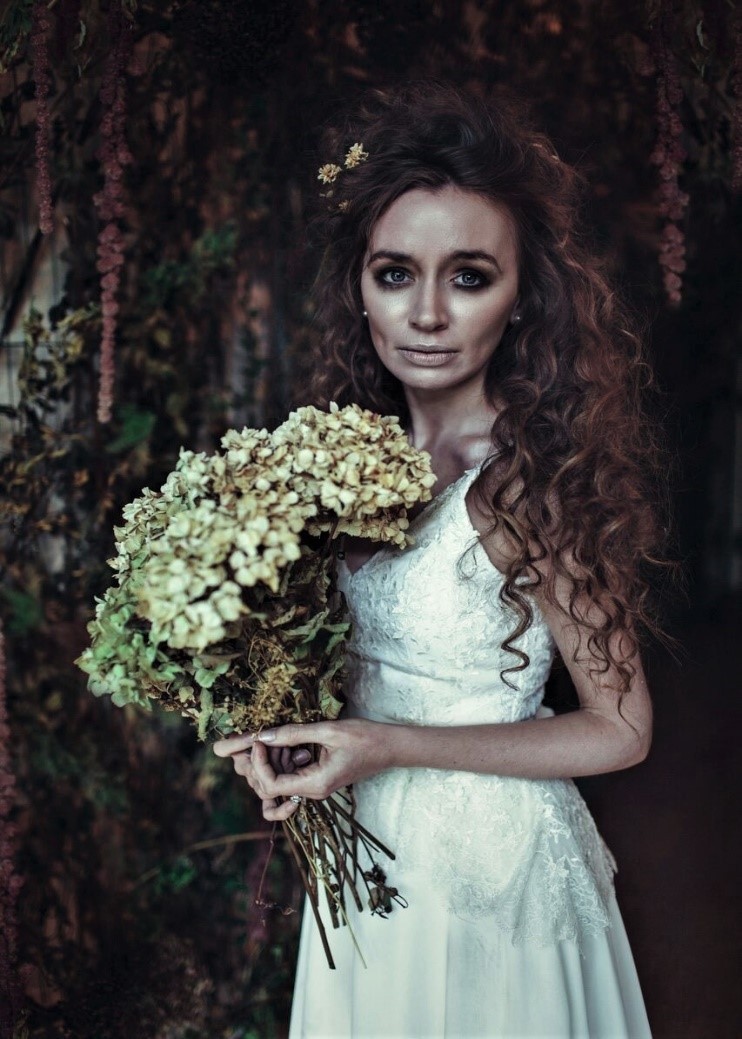
Going Full Havisham by Emma Corrigan

The 2020 iteration of Young Critics, has like most events globally, been deeply affected by the COVID19 pandemic.

Ordinarily, our Young Critics would have met up for the first time over the Easter holidays, been introduced to each other and the art of criticism and seen some amazing shows together. Unfortunately, that couldn’t happen, as Ireland, like most countries worldwide, is under lockdown.

In an effort to share the Young Critics experience with our readers we are running a selection of their initial reviews.

These reviews were submitted as part of their Young Critics application. As such, they represent the first steps on their Young Critics journey. We hope you enjoy them.
gone-full-havisham-001

Irene Kelleher in Gone Full Havisham

Our next review comes from Emma Corrigan. She is a member of Monaghan Youth Theatre. and was lucky to catch Gone Full Havisham by Irene Kelleher at the Garage Theatre, Monaghan back in February.

Irene Kelleher plays “one tough little nut” Emily in Regina Crowley’s eye-opening Gone Full Havisham, shown in the Garage Theatre Monaghan, based on Dickens’ renowned novel.

The startling yet memorable performance left little to the imagination and the audience in complete shock from entering the theatre where Kelleher, the ex-bride lay in a state of lunacy until the end where Kelleher walks off-stage for the first time leaving an emotional and confused audience behind, metaphorically leaving her past life behind. As the story moves along Emily describes to us the trials and tribulations of her childhood it becomes coherent how inevitable it was that Emily would eventually lose the plot.

The piece written, exquisitely by Kelleher herself strategically displays the series of tragic events leading up to Emily’s ultimate downfall into mental turmoil. Although the hour-long play left me unsatisfied with the lack of conclusion and plenty of room for deeper character development. What did Emily and the audience gain from this experience?

havisham-e1580406541543

Irene Kelleher in Gone Full Havisham

The one-women show was pulled with style, to the extent where it felt as if there was a large cast on stage at times. The focus was on Emily for the entirety of the play. The directorial instruction to keep Kelleher centre stage was successful and had a long-lasting, profound effect on her performance, aiding my favourite climactic moment where Emily breaks all socially acceptable boundaries screaming “GET OUT!”. This worked because this moment was completely different compared to the rest of the play in terms of lighting, sound and facial expressions.

One aspect of production that stood out to me was the visual and lighting effects. The fact that Kelleher managed to take a classical, dated story and completely modernise it without ruining the plot is an art in itself. Lighting by Paul Denby and video and sound design by Cormac O’Connor really brought the production to a whole and more appealing level.

Kelleher and Crowley’s intimate bond is shown through her dignified facial expressions, body language and consistency throughout her long-lasting monologue.

It isn’t often that I would recommend a play this highly but the enthralling, captivating performance and plot opens a new world of emotions and underlying twists with each viewing.

Emma Corrigan is a member of Monaghan Youth Theatre and a Youth Theatre Ireland Young Critic for 2020

Emma Corrigan has been a member of Monaghan Youth Theatre for nearly 4 years. During this time, she has played a part in plays such as “The Patriot Game”, “Dear Chuck” and “Thirteen”. She particularly enjoys workshops based around devising and improvisation. Emma is a keen writer who looks forward to seeing and discussing shows alongside people like her looking to learn the art of theatre criticism.
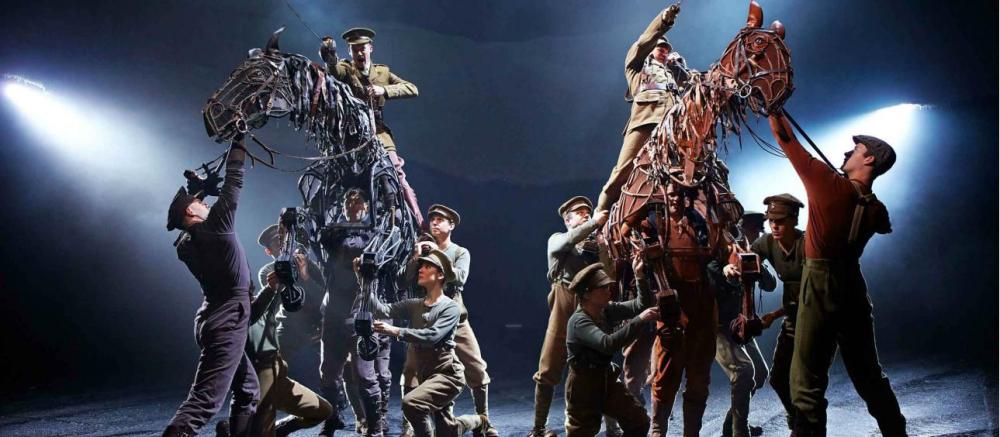
 

Warhorse- Reviewed by Dylan Gallagher

The 2020 iteration of Young Critics, has like most events globally, been deeply affected by the COVID19 pandemic. So instead of bringing our group to Dublin for their first weekend together in April, we will be running a selection of their initial reviews.

These reviews were submitted as part of their Young Critics application. As such, they represent the first steps on their Young Critics journey. We hope you enjoy them.


war-horse-production-image-2578x1128

Credit: National Theatre

Next up, Dylan Gallagher, from Leitrim Youth Theatre Company Carrick On Shannon reviews The National Theatre’s Production of Warhorse. This production toured to the Bord Gáis Energy Theatre in April 2019.


Dylan Gallagher is a member of Leitrim Youth Theatre Company – Carrick On Shannon and one of Youth Theatre Ireland’s Young Critics for 2020.

Dylan has been in Carrick-on-Shannon youth theatre for 3 years now. Joining Youth theatre was a surprise his parents organised for him, as they knew he had a huge interest in acting from a young age. In his first year of youth theatre, He played the main protagonist of Terry Dumpton in The terrible fate of Humpty Dumpty.

During this time he has done many workshops on improvisation, acting and poetry. Dylan kept practising these skills such as poetry and reached the All Ireland semi-final of Poetry Aloud. In the second year of drama, Carrick-on-Shannon youth theatre was selected to go to Playshare 2019 where they performed Beetroot By Lucy Montague Moffatt. He played the role of Mike, the local bully. Throughout the year Carrick-on-Shannon youth theatre had many workshops with other drama facilitators of local drama groups, here Dylan learned many new skills from the different areas they specialized in. The same year Dylan tried out a new programme called the creative arts group. Dylan learned a new creative skill each week such as storytelling, scriptwriting, lighting and sound. This year he is playing the role of the magician in All Out and Over by Christina Matthews.

Dylan has been a YouTuber for over a year now. He usually posts gaming clips but is hoping to start recording short sketches and upload them to his channel. He also streams on twitch where he uses games to create roleplay scenes and tell stories.

He is planning on launching a podcast on Spotify in the near future where he will talk about a range of different topics from ghost stories to teen news.

He’s hoping Young Critics will help with his Leaving Cert comparative study. He will learn how to compare shows to a high standard. It will also help him to be able to voice his opinions which he will use online and offline.

Youth Theatre Ireland Announce ‘Young Critics Online’

To celebrate the announcement of the 2020 panel of Young Critics, Youth Theatre Ireland presents Young Critics Online for young people aged 16 and over. You can enter by sending a review of a performance you have seen recently or of a performance that you view online.

Youth Theatre Ireland Announce ‘Young Critics Online’


Youth Theatre Ireland urges young people who would like to try their hand at reviewing to send in a written, video or audio review. Three selected reviews will be published on the Young Critics Blog and one reviewer will get to attend the Young Critics panel at Dublin Theatre Festival in October, plus 2 tickets to a show of the winners choice at the Festival. Full details of how to make a submission can be found here.

Announcing Young Critics Online, Youth Theatre Ireland’s Director, Michelle Carew said, “Given the surge in availability of high-quality online theatre in response to COVID-19, this is a great time to offer a taster of the Young Critics programme to young theatre lovers across the country. We want this to be fun, and would urge young people to be as inventive in their critical responses as they can.”

Currently companies around the world, from Broadway to Londons West End, to the Royal Shakespeare Company and Irish National Opera, are making their content available to watch online for free, so there are lots of performances from which to choose.

For tools to help you with your review check out the resources at youngcritics.eu. These resources are designed to support young people in developing their understanding of theatre and their abilities as theatre critics. Developed by the Youth Theatre team and the respected theatre critic Karen Fricker, all content here has been further enhanced through a partnership with Youth Theatre Arts Scotland, with inputs from Scottish practitioners and young people. Both young people and practitioners can interact with a variety of content including video, animations, downloadable workshop plans, review samples and tips from the experts.

Youth Theatre Ireland has delivered a Young Critics Programme for well over a decade to hundreds of young people. Selected reviews will be announced at YouthTheatre.ie and social media channels. Closing date is 30 April at 5pm.

For more information and to apply, download the Young Critics Online Submission Form here.

This initiative is open to all young people aged 16+,* who are resident of the Republic of Ireland. You do not have to be a member of a Youth Theatre Ireland affiliated youth theatre.

*Not open to current or former Young Critics.

Podcast- Young Critics Panel Discussion 2019

The 2019 Young Critics met on Sunday Oct 13th at Project Arts Centre, Dublin, to discuss three shows as part of the Dublin Theatre Festival.

Listen to the full panel discussion here:


IMG_4894

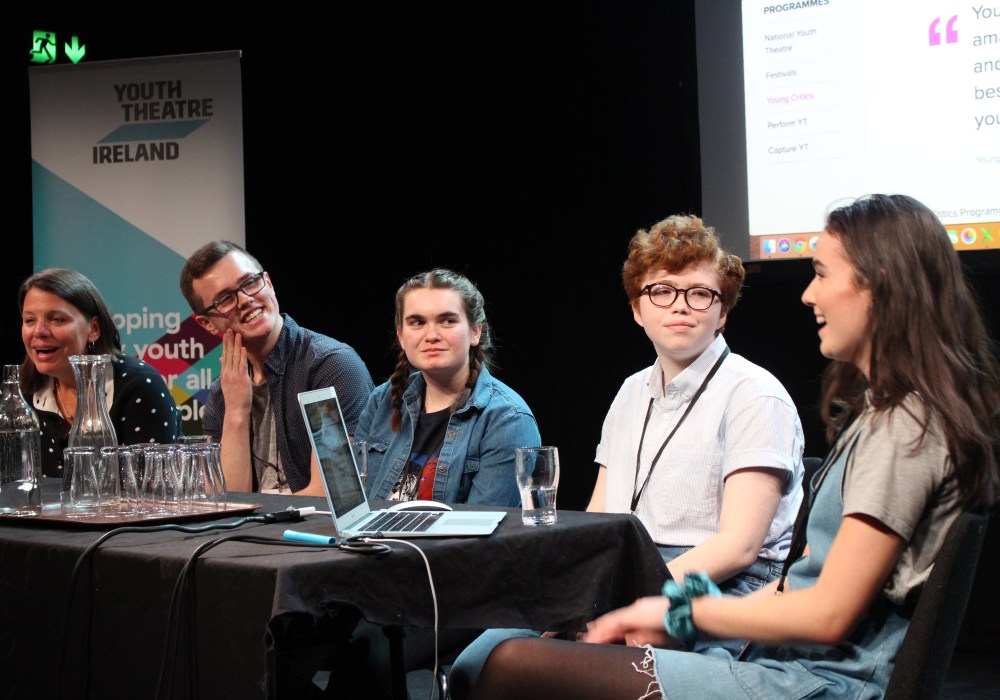
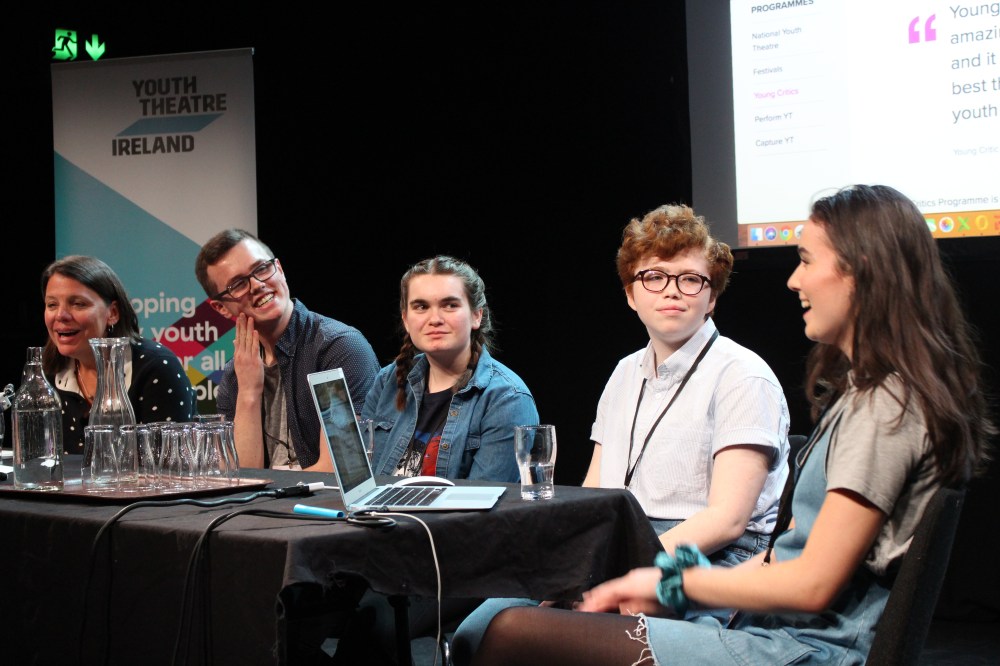
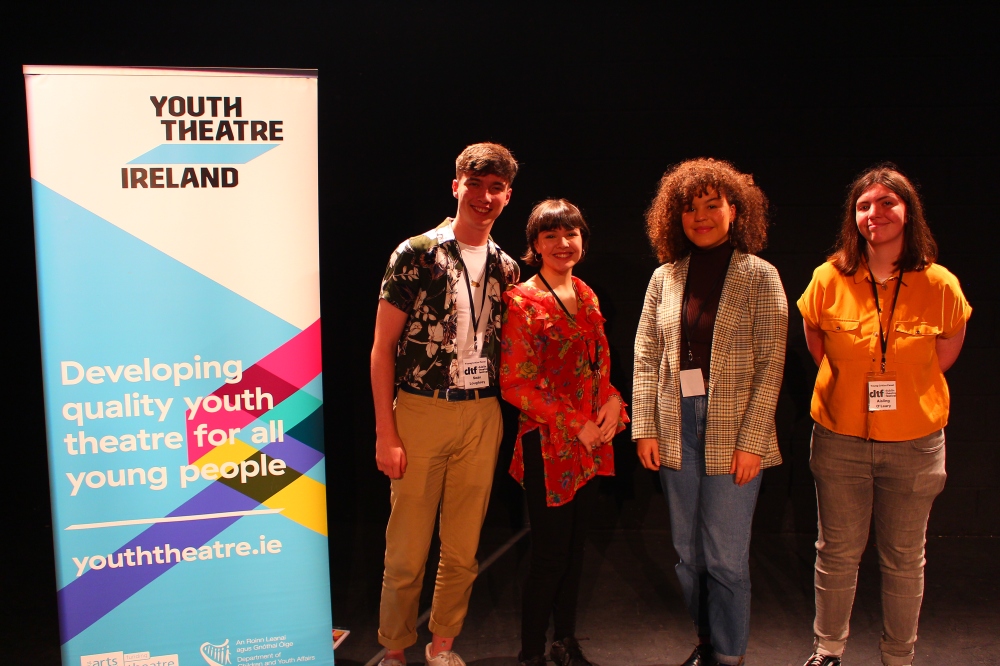
Panel One. L-R, Sean Loughrey, Grace Sheehan, Clodagh Boyce, Aisling O’Leary

IMG_4890

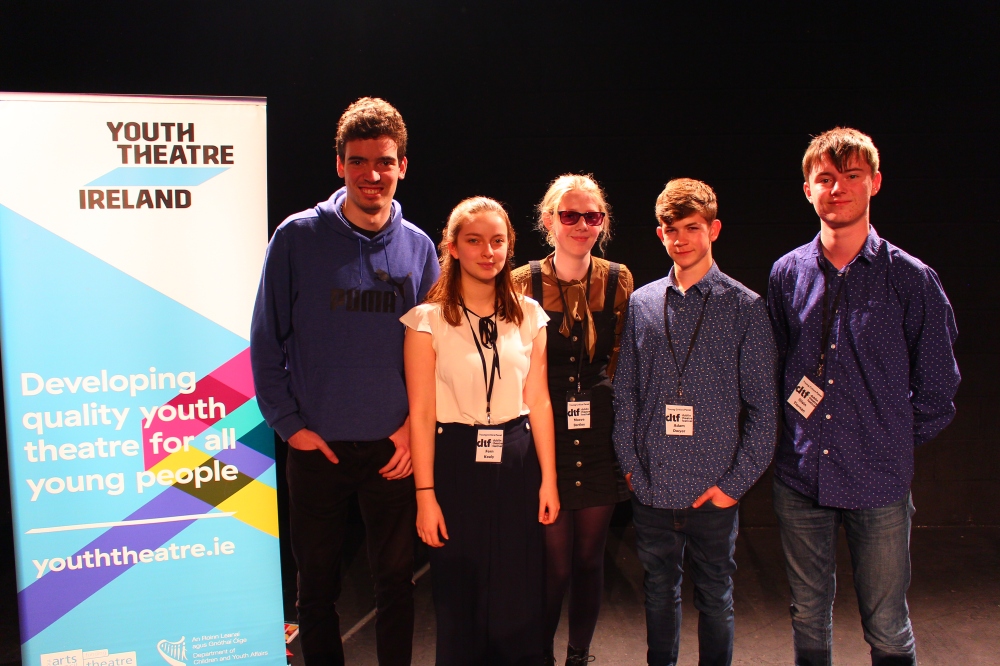
Panel Two, Kevin Alyward, Fern Kealy, Maebh Bartley, Adam Dwyer & Óisin Tiernan

IMG_4887

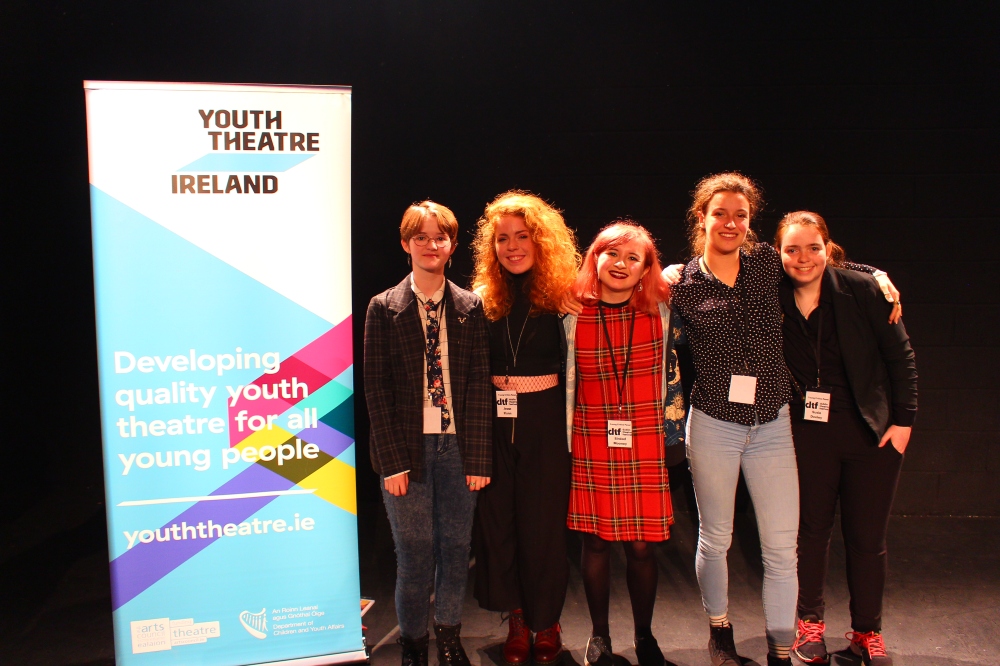
Panel Three, Ruth Corrigan, Jessie Flynn, Sinead Mooney, Jeanette Michalopoulou & Susie Murphy Dooley

Fern Kealy talks about her Young Critics Experience with Youth Theatre Ireland

Fern Kealy is one of Youth Theatre Ireland’s Young Critics for 2019.

Fern recalls an action-packed first weekend spent with fellow Young Critics in Dublin from April 12-14th.

Fern Kealy  is a member of Kilkenny Youth Theatre 

Our Young Critics 2019 are:

Kevin Aylward- Limerick Youth Theatre

Maeve Bartley – Co.Limerick Youth Theatre

Clodagh Boyce- Dublin Youth Theatre

Ruth Corrigan – Mayo Youth Theatre

Susie Dooley – County Carlow Youth Theatre

Adam Dwyer – County Carlow Youth Theatre

Leah Farrell – Backstage Youth Theatre, Longford

Jesse Flynn – Dublin Youth Theatre

Fern Kealy – Kilkenny Youth Theatre 

Seán Loughrey – Droichead Youth Theatre, Drogheda, Co.Louth

Jeanette Michalopoulou – Sligo Youth Theatre

Sinéad Mooney – Kildare Youth Theatre

Aisling O’Leary –Act Out Youth Theatre, Navan, Co.Meath

Grace Sheehan – Activate Youth Theatre, Cork

Holly Roynane –Act Out Youth Theatre, Navan, Co.Meath

Oisín Tiernan – WACT Youth Theatre, Wexford

Young Critics 2019- Applications Now Closed

Young Critics is one of Youth Theatre Ireland’s most popular and innovative programmes. Over a six-month period, participants will see some incredible shows, make new friends and learn about the art of theatre criticism.


It is open to youth theatre members who are interested in watching theatre, discovering how and why theatre is made, and learning how to critically discuss, analyse, and review theatre.

During the programme, young people are given an opportunity to see quality productions while developing their critical skills under the mentorship of international theatre critic and academic, Dr. Karen Fricker, and Youth Theatre Ireland’s own Alan King.

This year the programme will include a particular focus on engaging with different forms of criticism. These will include writing reviews and developing blogs, making podcasts, creating video blogs, and much more.
Young critics has helped make new friends, learn to express my opinions, gave me insight to lots of different types of theatre and gave me the tools to voice my critiques in a number of ways. – Young Critic 2018

WHAT HAPPENS DURING THE YOUNG CRITICS?

The Young Critics will first meet in Dublin from Friday April 12th to Sunday April 14th and again from October 11th – 13th. Over the two weekends the Young Critics will attend at least four theatre productions, and participate in workshops and discussions, facilitated by the mentors.

In October, the group will meet up in Dublin again to see further productions, take part in more workshops and participate in a public panel event as part of the Dublin Theatre Festival.

In between the two residential weekends, the Young Critics will have the opportunity to see other productions and make critical responses through the use of digital technology.

The Young Critics will be supported by our professional mentors through workshops, tutorials and online support forums.

HOW DO I APPLY TO TAKE PART IN YOUNG CRITICS?

Applications are now closed.

Participation in the programme is totally free: accommodation, meals, theatre tickets and travel costs are covered by Youth Theatre Ireland.

It is open to youth theatre members who will be aged 16 – 20 by April 1st 2019. We are looking for young people who are comfortable meeting new people, working in a highly focused way and are willing to share their thoughts and opinions with each other. A love of theatre and an enthusiasm for engaging with digital tools are a bonus.

We will provide you with all the skills and tools needed to take part fully in the programme. To be a Young Critic you must be fully available for both weekends. You must also be available to take part in online discussions and see some theatre shows yourself between the two residentials.

Youth Theatre Ireland will have welfare leaders in place on both weekends to ensure the wellbeing and safety of all participants.

In order to offer individual advice and guidance on developing each young person’s critical skills, places on the programme are limited to a maximum of 16.

Please visit the Young Critics Resource Suite for lots of hints and tips on running a Young Critics Programme and creating critical responses. 

Young Critics International Exchange by Luke Murphy

Creative Commons is a 2-year project funded by the European Union’s Erasmus+ programme.  It provides Youth Theatre Ireland and  Youth Theatre Arts Scotland, our sister organisation in Scotland, with the opportunity to share best practice across sectors and build new resources in Young Critics practice and Young Leader mentorship and skills development.

The Young Critics International Exchange brought 24 together from Ireland and Scotland for five days in Dublin. During the Easter holidays, the group took part in workshops and saw a number of professional productions at theatres across the city.

Luke Murphy from Lightbulb Youth Theatre in Mallow, Co. Cork was selected to take part in the programme.

Here Luke reflects on those five days in Dublin. 

“Youth Theatre Ireland’s Young Critics International Exchange  2017 was a fantastic experience that both provided skills in forming critical opinions on theatre, as well as exploring the different means of doing so. What resulted was five enjoyable days in Dublin city.

IMG_0760

Young Critics Aaron Dobson (L) and Luke Murphy (R)

Arriving at the GPO, I met up with 13 other Irish youth theatre members, as well as some of the staff from Youth Theatre Ireland. Immediately I was faced with a whole group of friendly people who seemed just as excited for the week’s events as I was. We travelled to the Marino Institute, which was where our workshops and accommodation were located. Upon arriving, we met an additional ten youth theatre members from Scotland. This were all members of  groups affiliated to Youth Theatre Arts Scotland. One of the things that impressed me the most about the experience was how well everyone got along, and how quickly friendships formed.

IMG_0685.jpg

Theatre Critic Gareth Vile workshops with the Young Critics

Of course, the workshops were a great way of achieving this. We would each get our own time to express opinions of the various productions we saw, as well as what we were expecting prior to the performances. I found that discussing theatre can be just as exciting as watching it live. It was incredible to see the different perspectives from which people approached the shows we saw. The best thing about the workshops, was how they felt at the same time both a focused discussion on a piece of theatre, and a casual chat about a play.

The shows in question were The Beauty Queen of Leenane, Silent, and The Train. I think overall everyone enjoyed the productions, whether it was viewing them or discussing their reactions afterwards. The plays were very diverse in themes and style, from one man shows to musicals. This allowed us to review different types of theatre, and the elements that these consisted of.

IMG_0911.jpg

Theatre Critic Karen Fricker (L) listens on as the Young Critics give their opinions

We were guided by a professional group of leaders, who each had their own experience in theatre. They helped us structure reviews, and explore modes of reviewing other than writing, for example vlogging and podcasts. They were very friendly and approachable, accepting questions on how to improve our own skills.

Each day held a new experience. The workshops were unique, each focusing on particular skills crucial to a critic. We also had the chance to explore parts of Dublin city, and enter some of the most famous theatres in the country, such as The Abbey and The Gaiety. I’d never been to any of these theatres before, so getting to see productions in them was a great experience.

IMG_0862.jpg

Luke Murphy and fellow Young Critics enjoying some social time in Dublin

I can genuinely say the I made great friends and memories at Young Critics 2017 and I hope to continue the experience in the months to come, between discussing theatre online, and meeting up with the other young critics once again at the Dublin Theatre Festival. I am delighted to be involved in this project, and it has really peaked my interest in theatre, as well as how to critique it.”

IMG_0896.jpg

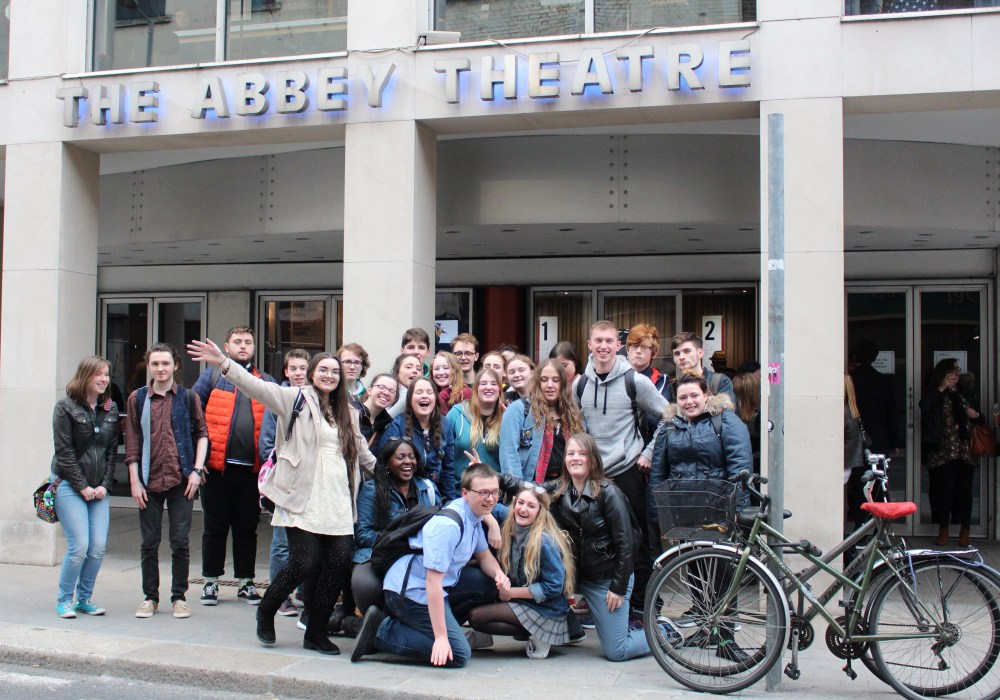
The 24 Young Critics from across Ireland and Scotland at the Abbey Theatre


Luke and his fellow young critics will be seeing some shows at their local venues over the summer. They will be making critical responses and we will be posting a selection of them here over the coming months.  You can follow the exploits of the Scottish Young Critics here 


Review of The State Of The Nation by NAYD Young Critic Rita Havlin

In the run up to the Young Critics Panel as part of the Dublin Theatre Festival on Oct 9th, we’ve been publishing a series of written reviews by our Young Critics.

In our final review, Rita Havlin from Donegal Youth Theatre reviews The State Of The Nation by Conor Malone

Reviewed 4 June, 2016
Written by Conor Malone, directed by Charlie Bonner
Balor Developmental Community Arts
Balor Arts Centre, Co. Donegal

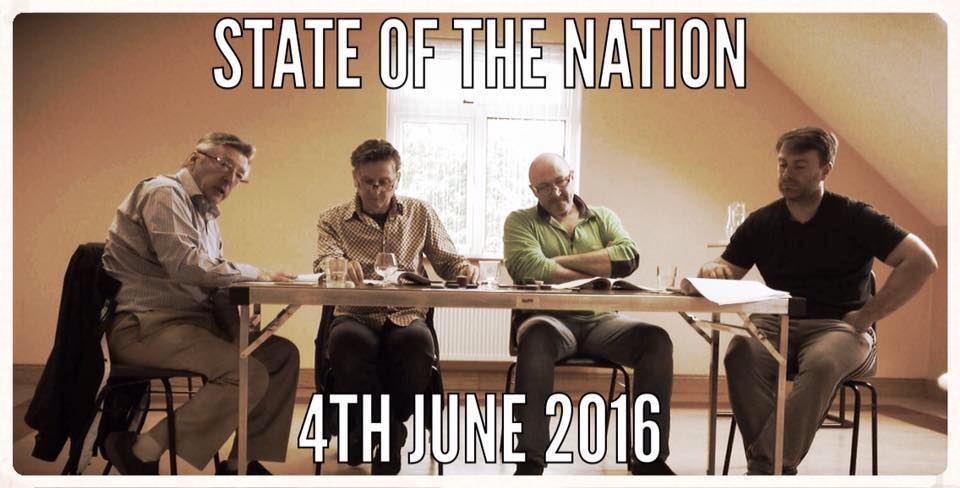
The State Of The Nation is a political satire questioning Ireland’s progress since the 1916 Rising. The play is set during a poker game in the afterlife, during which four famous figures of Irish politics, Thomas Davies (James Lawne), Jim Larkin (Peter Byrne), Michael Collins (Cillian O’Gairbhí), and Charlie Haughey (Conal Gallen), discuss the changes in the country over the last hundred years and the issues it still faces. I found this to be a very interesting way to frame this debate, literally asking “Is this the Ireland the revolutionaries dreamed of?”

A simple set design helps the audience focus on the content of the play. The action takes place on a raised white platform around a large table; a hat stand and a sideboard with decanters of whiskey stand at either end of the platform. Dim lighting and smoke set the scene for a classic game of poker, while a green backlight gives a supernal feel. This worked extremely well in balancing the realistic with the non-naturalistic.

7-all-the-cast-in-reheasal

Conal Gallen, James Lawne, Peter Byrne, Cillian O’Gairbhi in rehearsals for The State Of The Nation. Photo Credit: Mark Fearon

The actors did a superb job in balancing the speech and mannerisms of different points in history, making no word or action feel out of place while also managing to maintain realistic and strongly recognizable characters. Their only downfall, which was perhaps a fault of the play itself, was a lack of movement, as the actors only left the table to refill their whiskey.

Indeed the writing is where The State of the Nation falls short. The play is meant to be comedic, and while no lines fall completely flat and some earn a hearty laugh from the audience, many jokes are overused or too similar to previous ones, and quickly lose their punch. The play touches on many important issues such as government salaries and corruption, the introduction of water charges, and the cost of education, but brought up in such a short space of time each issue begins to sound the same and each discussion seems half-baked. There is no suggested solution for any issue, and so no debate feels complete before the play moves on to a new topic.

2-the-state-of-the-nation

Poster design by Alan Reid

Staged as part of the Donegal County Council’s 1916 Commemoration, the play aims to celebrate Ireland as the country grows and develops, which it does to a degree, but it felt a little too critical of the nation to do this fully. The play fails to address the rich culture and art that Ireland has to offer, or the ways in which Ireland has progressed farther than many countries, focusing instead on the country’s political failings. However I must compliment the cast and crew as this production, despite its weaknesses, left me feeling satisfied, appropriately patriotic, and chuckling as I left the theatre.

Come join Rita and all our Young Critics on October 9th at 1pm at Project Arts Centre. 

They will be critiquing three productions as part of Dublin Theatre Festival 2016. 

Shakespeare’s Globe Taming Of The Shrew. Reviewed by NAYD Young Critic Pierce McNee

In the latest in our series of Young Critics reviews, Pierce McNee from Dundalk Youth Theatre traveled to London to see The Taming of the Shrew at Shakespeare’s Globe.

The Taming of the Shrew by William Shakespeare, directed by Caroline Byrne

Cast: Aoife Duffin, Amy Conroy, Louis Dempsey, Imogen Doel, Colm Gormley, Aaron Heffernan, Genevieve Hulme-Beaman, Raymond Keane, Gary Lilburn, Edward MacLiam and Helen Norton

Performed at Shakespeare’s Globe; reviewed on Monday, 18th July 2016

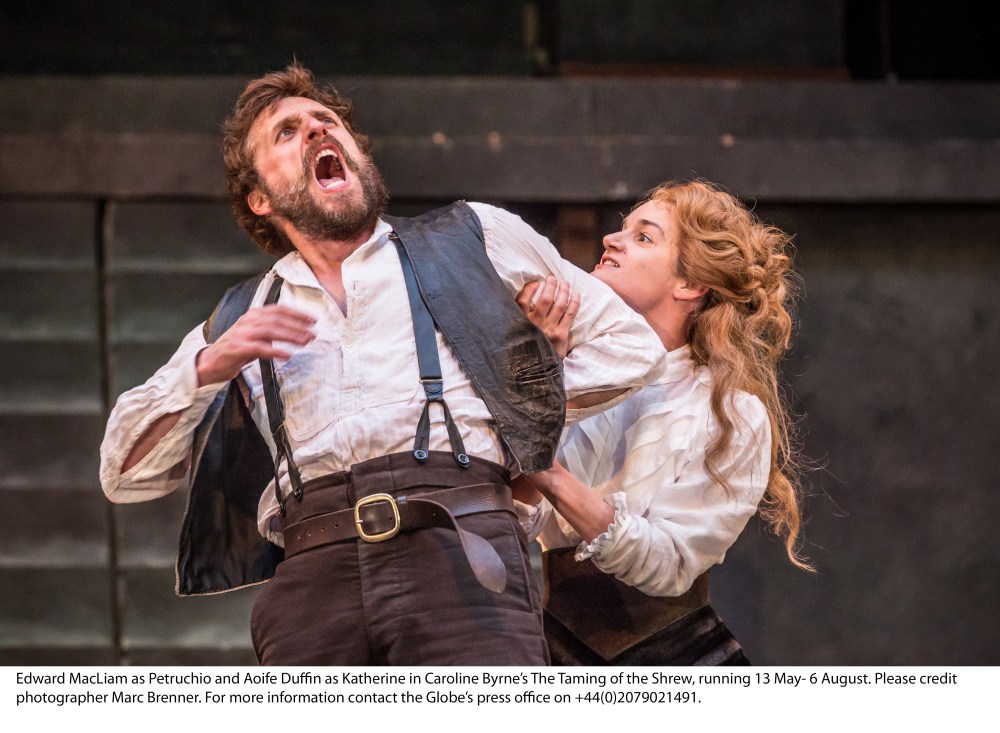
Taming of Shrew SECOND-814.jpg_captioned.jpg

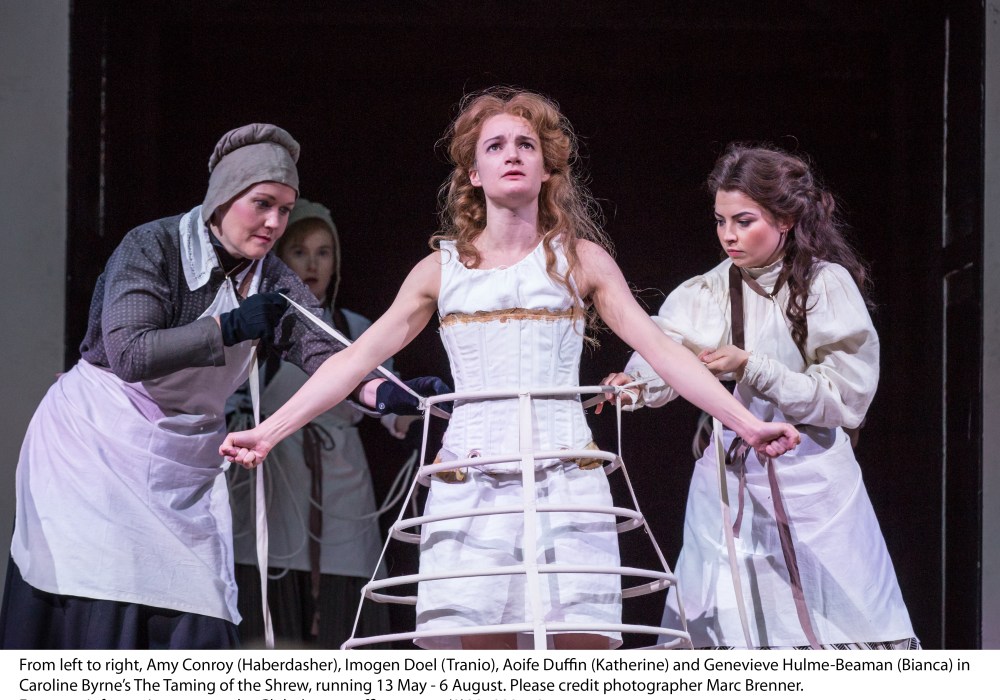
Set against the backdrop of Dublin 1916, this is a classic play with an alternative twist, featuring an all-Irish cast. This choice of setting — one hundred years after the events that sparked Ireland’s drive towards independence — makes the staging of this production extremely significant. Katherine (Aoife Duffin) appears on the stage at the start of play and sings, passionately, an Irish ballad written by Morna Regan (dramaturg and lyricist) especially for the production. This firmly establishes the 1916 setting and showcases Duffin as a standout performer and a force to be reckoned with.

The Taming of the Shrew tells the story of two sisters, Katherine and Bianca. Bianca is intensely keen on being married off to a handsome suitor. Katherine has no ambitions to become attached to a man. There is one problem: Bianca cannot marry before Katherine, a.k.a. the shrew, is herself paired off.

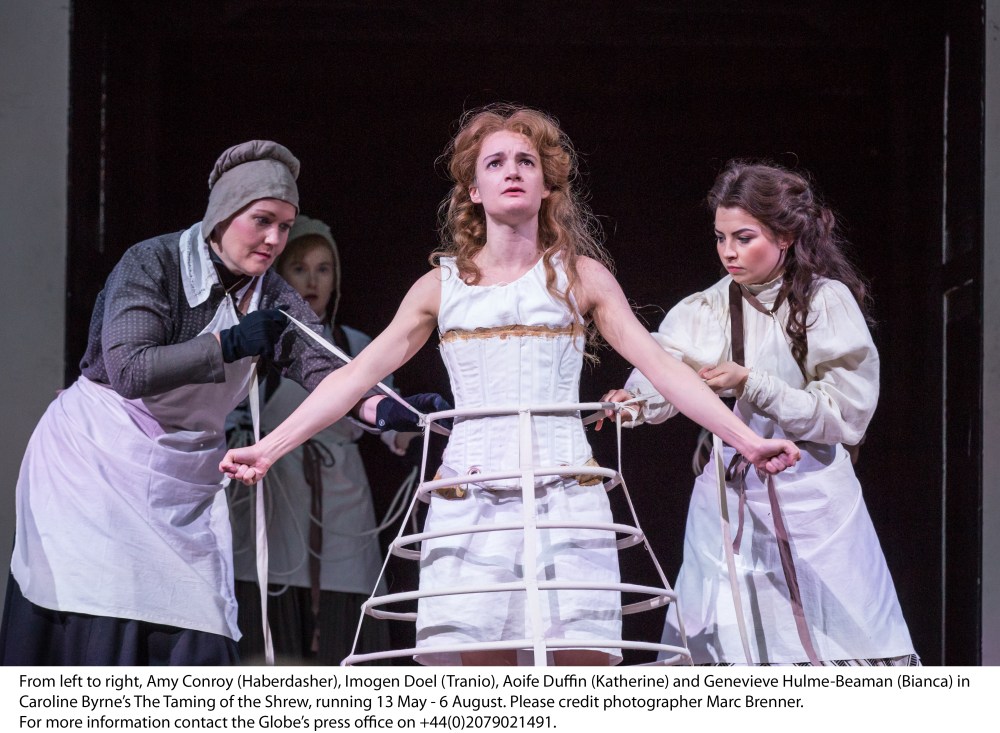
Taming of Shrew SECOND-309.jpg_captioned.jpg

Going in, I was rather sceptical as to whether or not the production would cater for only an Irish audience, but it does not overly enforce the 1916 theme, which only becomes apparent on a few occasions. For example, a small fraction of the history is played out in the lyrics of Katherine’s two ballads. This make the theme subtly present throughout the performance but the production is kept grounded overall in the original story.

Caroline Byrne’s production is full of side-splitting antics whilst still exposing the serious and sometimes poignant aspects of the play. The misogynistic elements are portrayed with the earnest tone they deserve. The comedic facet is aided in particular by Aaron Heffernan as Lucentio, with his incredible physical comedy and natural wittiness.

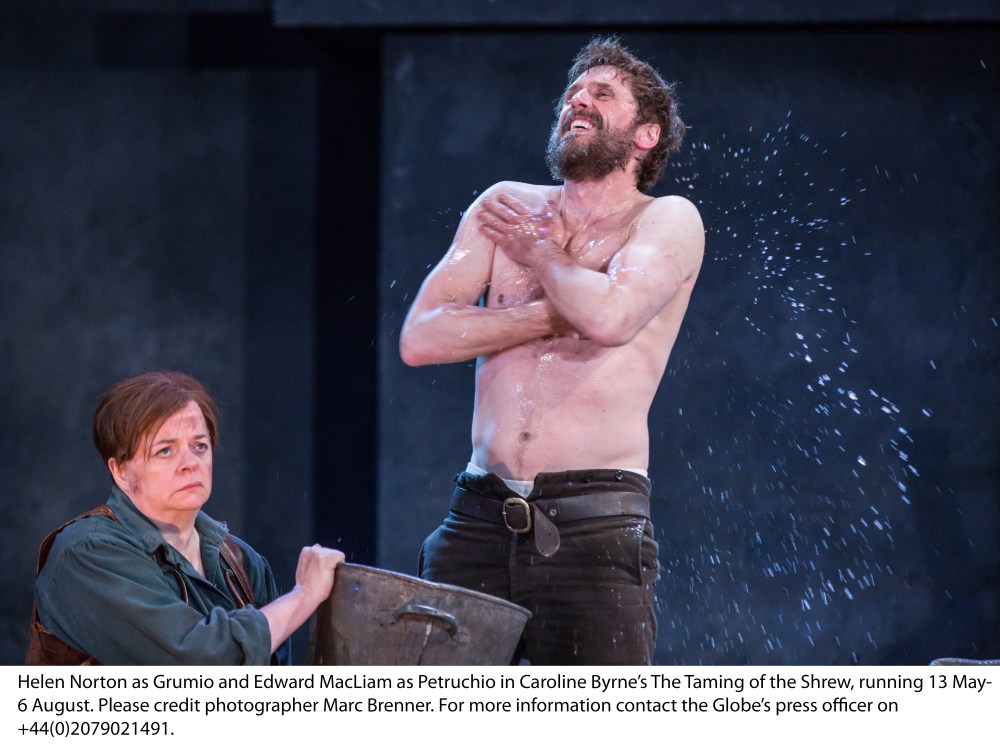
Other notable performances include Edward MacLiam as Petruchio, who offers a truly gritty portrayal of the character. He brings an amazing sense of tension with Katherine and this really keeps the audience on the edge of their seats for the intense scenes between them. Helen Norton as Grumio plays her character with great jocularity but also sincerity in the more sombre scenes.

Taming of Shrew SECOND-412.jpg_captioned.jpg

The set, designed by Chiara Stephenson, starts with the traditional Globe stage design with its balcony and pillars. A large black structure is built into the opening at the upstage centre of the stage. This opens up at various points to reveal a staircase. At certain moments during the first half, the stage becomes a 1916 classroom as a prodigious abacus and an anatomical skeleton hurtle onto the stage. A pit of dirty water also appears at the downstage centre of the stage in which Katherine stands while singing one of her ballads.

The costumes, also in Stephenson’s more than capable hands, are eminently satisfactory and greatly fitting to the production. Many of the costumes are 1916-inspired with the women’s pieces heavily influenced by the Gibson Girl look. This also introduces the theme of women’s rights one hundred years ago and also in today’s society. The final speech, delivered by Katherine, allows us to reflect on how much has changed in terms of women’s rights since 1916, when women were so poorly treated.

Pierce is an NAYD Young Critic for 2016 and a member of Dundalk Youth Theatre in Co. Louth.

Come join Pierce and all our Young Critics on October 9th at 1pm at Project Arts Centre.  They will be critiquing three productions as part of Dublin Theatre Festival 2016.